
Hip-length hairstyles with flowing layers combine dramatic length with soft movement. The layers remove heaviness, frame the face, and help extremely long hair look shaped instead of flat. Depending on the cut, the finish can be sleek, feathered, wavy, voluminous, or softly textured.
These hairstyles suit straight, wavy, and curly hair, especially when the layers are adjusted for the hair’s natural density. They can flatter round, oval, square, heart-shaped, and long faces. Subtle layers are fairly low-maintenance, while curtain bangs, butterfly layers, and polished waves usually need more regular styling.
Quick List
- Hip-Length Feathered Layers
- Center-Parted Face-Framing Layers
- Soft U-Shaped Flowing Layers
- Long Butterfly Layers
- Hip-Length Layers With Curtain Bangs
- Sleek Straight Flowing Layers
- Romantic Waves With Long Layers
- Side-Parted Voluminous Layers
- Textured Layers for Thick Hair
- Soft Layers for Fine Hair
Hip-Length Feathered Layers
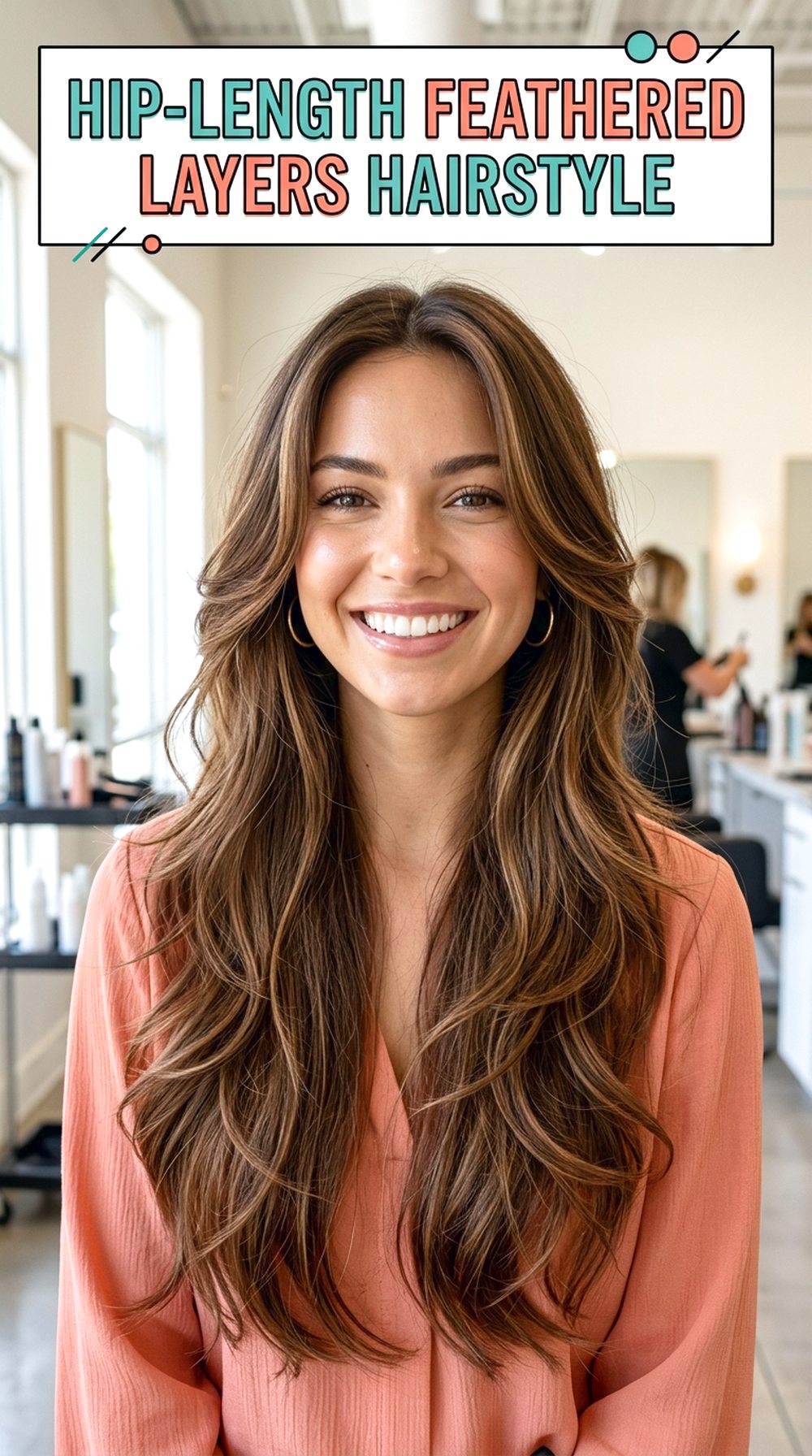
Hip-length feathered layers create a light, airy shape without sacrificing dramatic length. The layers begin around the chin and continue through the ends, giving long hair softness, swing, and a polished finish. This look works especially well for medium to thick hair that tends to feel heavy. It is easy to wear for work, weekends, and special events, and it looks beautiful whether styled smooth, softly curled, or naturally textured.
Pro tip: Ask your stylist for long, blended feathered layers with soft face-framing pieces. Avoid very short layers if you want to keep the ends looking thick.
Center-Parted Face-Framing Layers
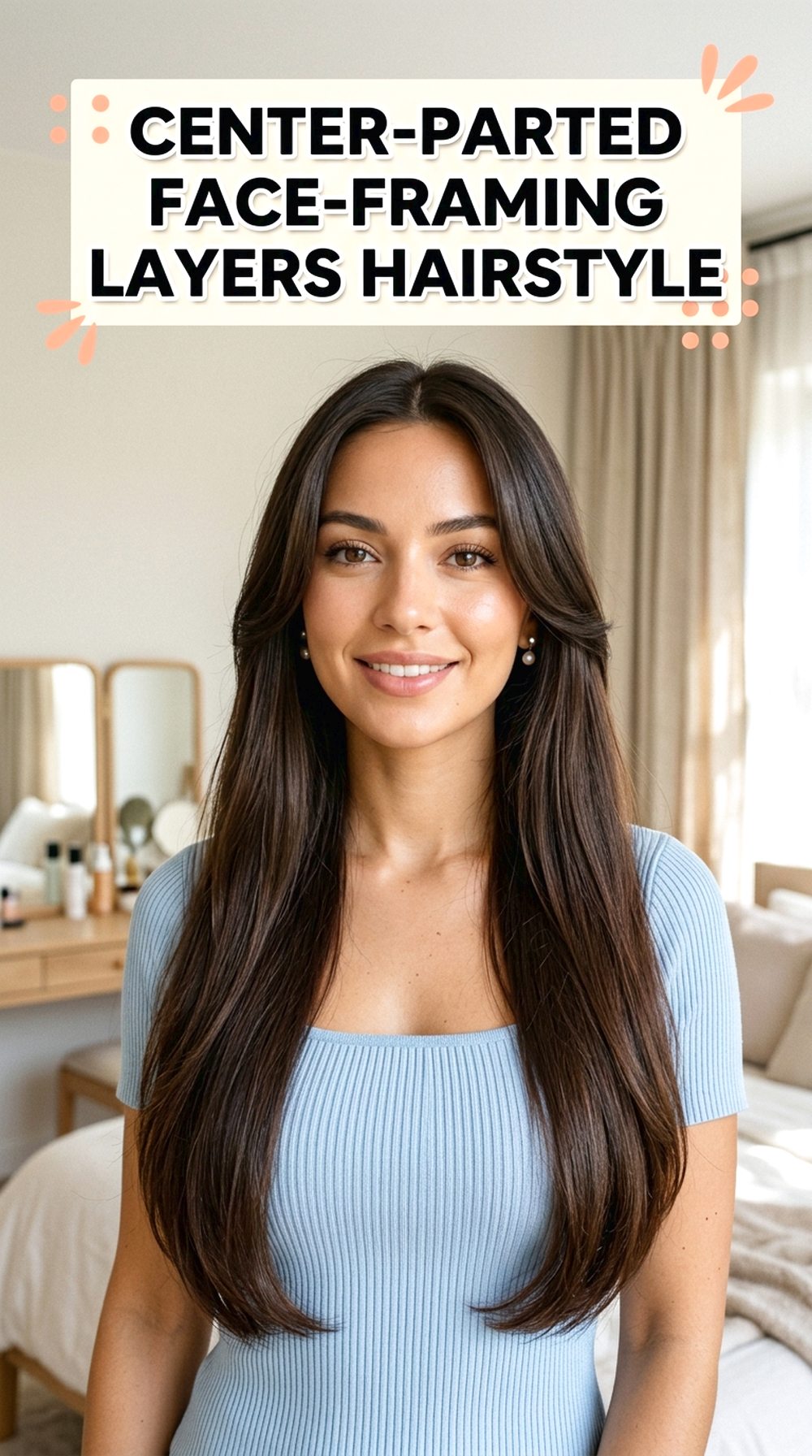
A centered part paired with long face-framing layers creates a balanced, elegant look. The shortest pieces can begin near the cheekbones or jawline, helping soften the face while the rest of the hair remains long and fluid. This style suits oval, round, and heart-shaped faces particularly well. It is a practical choice for daily wear because the layers add shape even when the hair is simply air-dried, brushed straight, or pulled into a low ponytail.
Pro tip: Ask for face-framing sections that connect smoothly with the longer layers. Choose a cheekbone starting point for more drama or a jaw-length starting point for easier styling.
Soft U-Shaped Flowing Layers
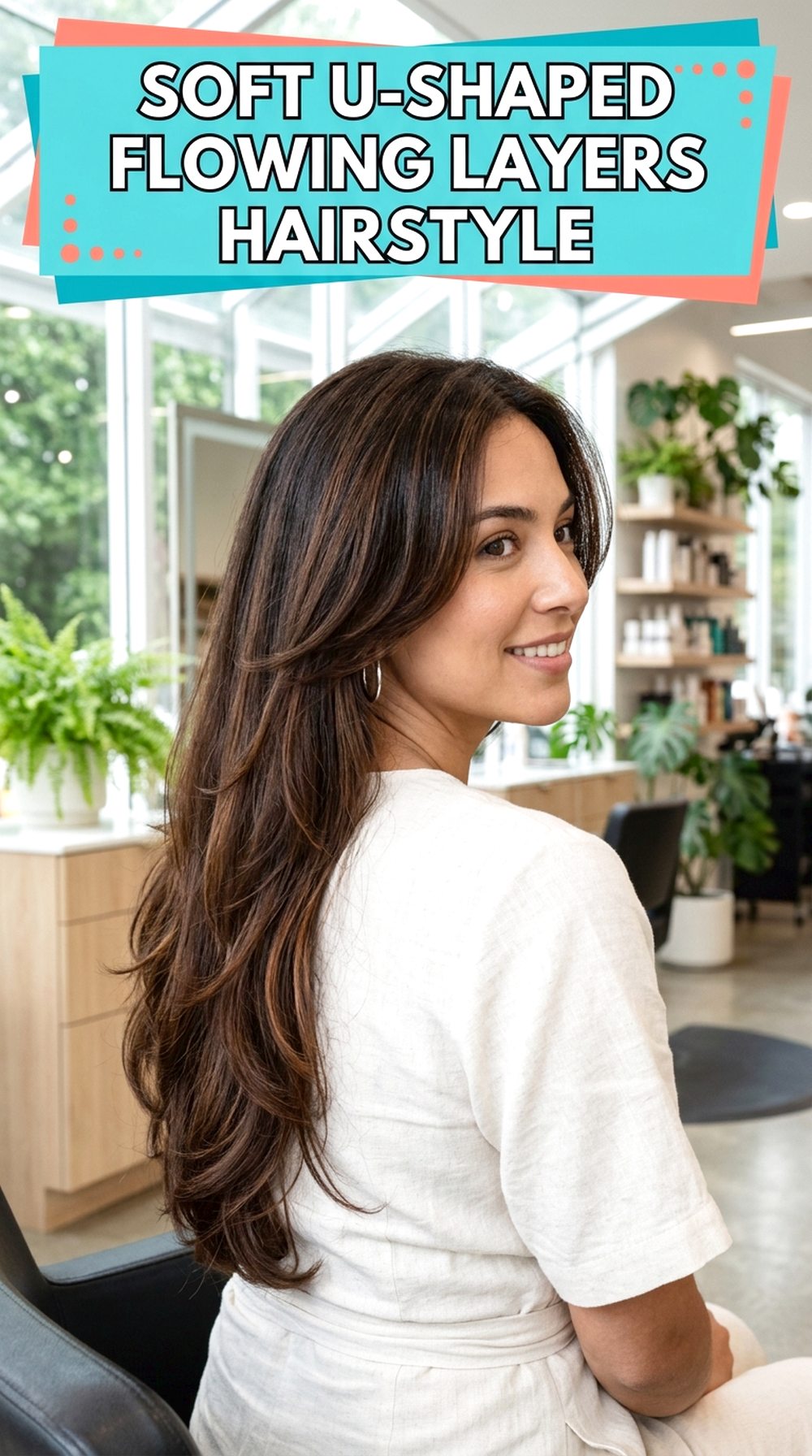
A soft U-shaped cut gives hip-length hair a rounded, flowing outline when viewed from the back. Long layers are blended through the lower half so the ends look full rather than thin or uneven. This shape is ideal for anyone who wants movement while keeping maximum length and density. It works beautifully for straight, wavy, or lightly curled hair and feels polished enough for professional settings, weddings, formal events, and everyday wear without demanding complicated styling.
Pro tip: Ask your stylist to keep the center back slightly longer than the sides and add only gentle layering through the lower lengths.
Long Butterfly Layers
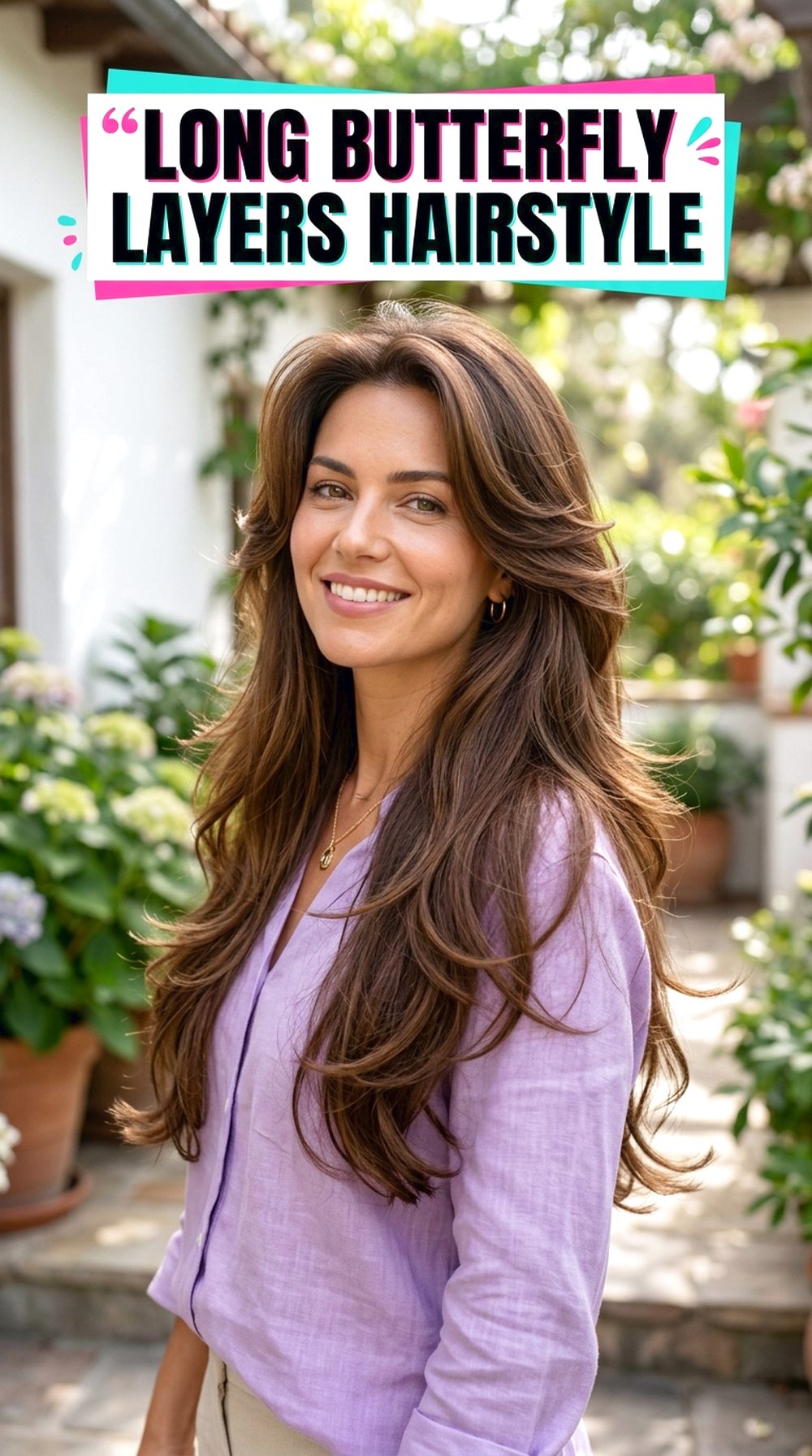
Long butterfly layers bring lift, movement, and a glamorous salon finish to hip-length hair. Shorter layers around the face create wing-like movement, while longer layers keep the overall length dramatic and full. This option is especially flattering on medium to thick hair and helps remove bulk without making the ends appear sparse. It works well for parties, date nights, photos, and special occasions, but it can also be styled more simply for everyday wear with a round brush.
Pro tip: Request shorter face-framing layers around the cheekbones and collarbone, with longer layers blended through the remaining length. Use large rollers for extra bounce.
Hip-Length Layers With Curtain Bangs
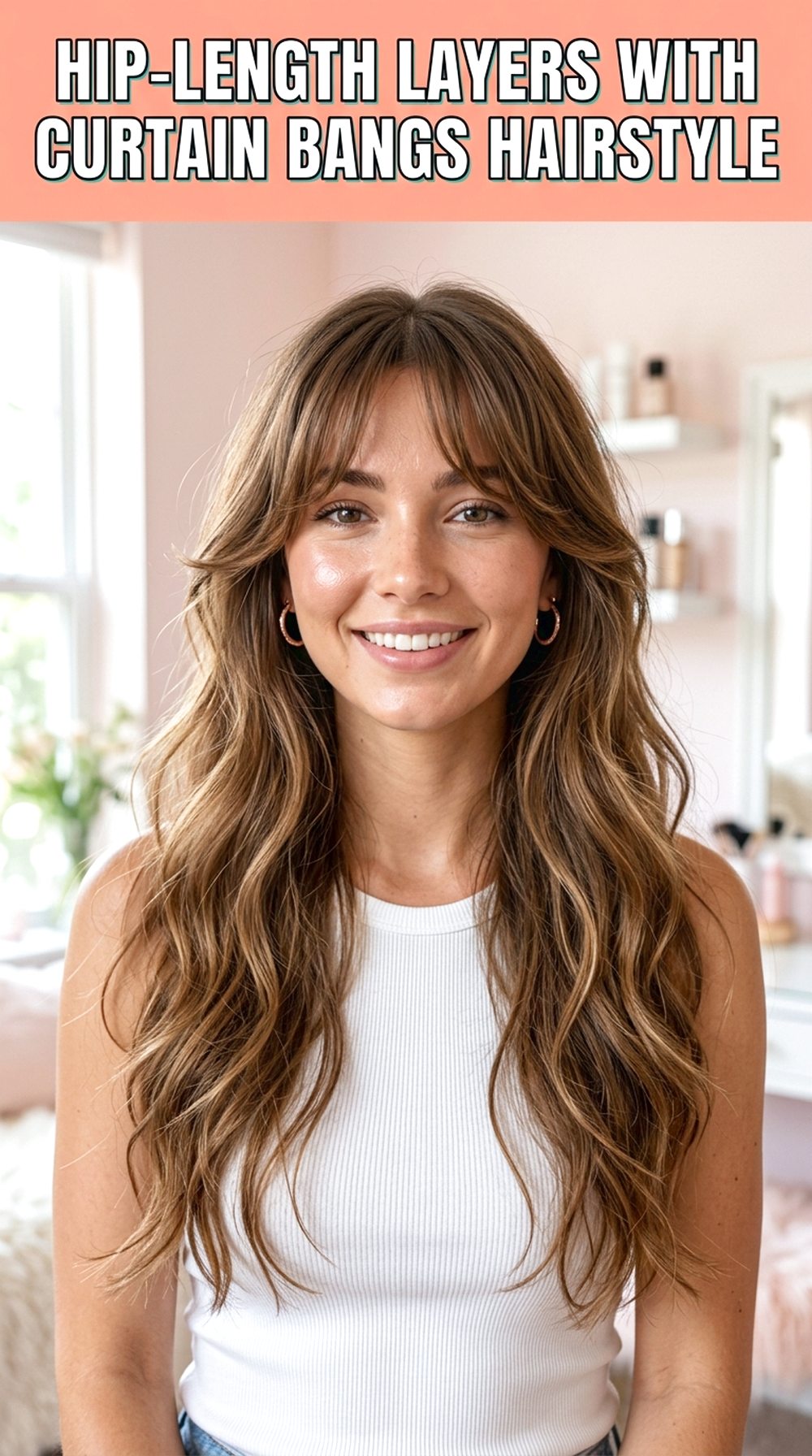
Curtain bangs make hip-length layered hair feel softer and more modern. The bangs part in the center and blend into cheekbone and jaw-length pieces, creating a smooth transition into the longer layers. This combination flatters oval, square, and heart-shaped faces and adds interest without requiring a short haircut. It is a lovely choice for school, work, casual outings, and events, although the fringe may need quick blow-drying or reshaping each morning to maintain its curve.
Pro tip: Ask for curtain bangs long enough to tuck behind your ears. Blow-dry them away from the face with a small round brush.
Sleek Straight Flowing Layers
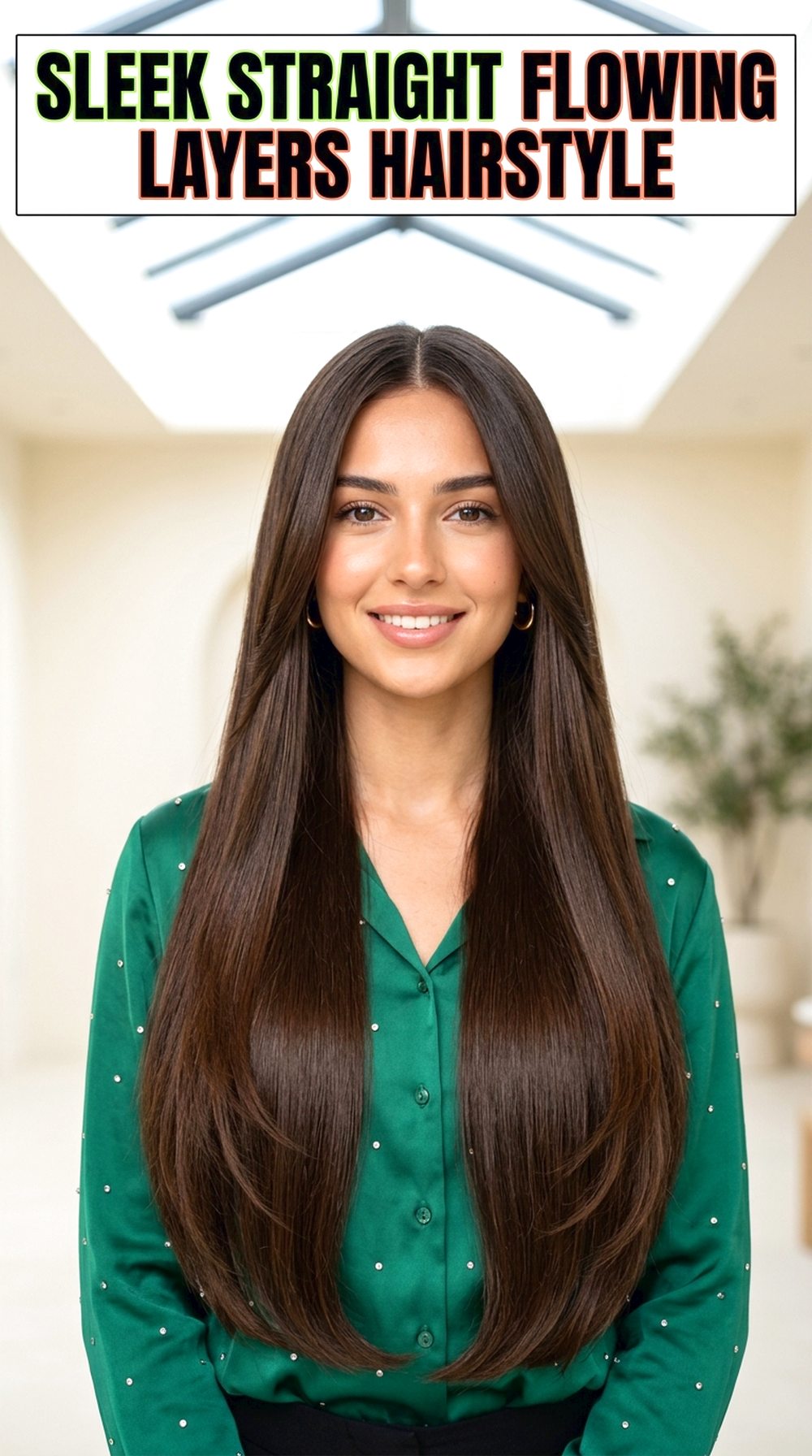
Sleek straight layers show off the clean lines and shine of hip-length hair. The layers stay long and subtle, adding movement through the bottom without creating a choppy or overly textured finish. This look feels sophisticated, minimal, and suitable for office wear, formal occasions, or polished everyday style. It works best on straight or easily smoothed hair, but wavy textures can achieve it with careful blow-drying and heat protection. A center part keeps the result modern and balanced.
Pro tip: Request invisible layers and a clean perimeter. Apply heat protectant before straightening, then finish with a small amount of lightweight serum on the ends.
Romantic Waves With Long Layers
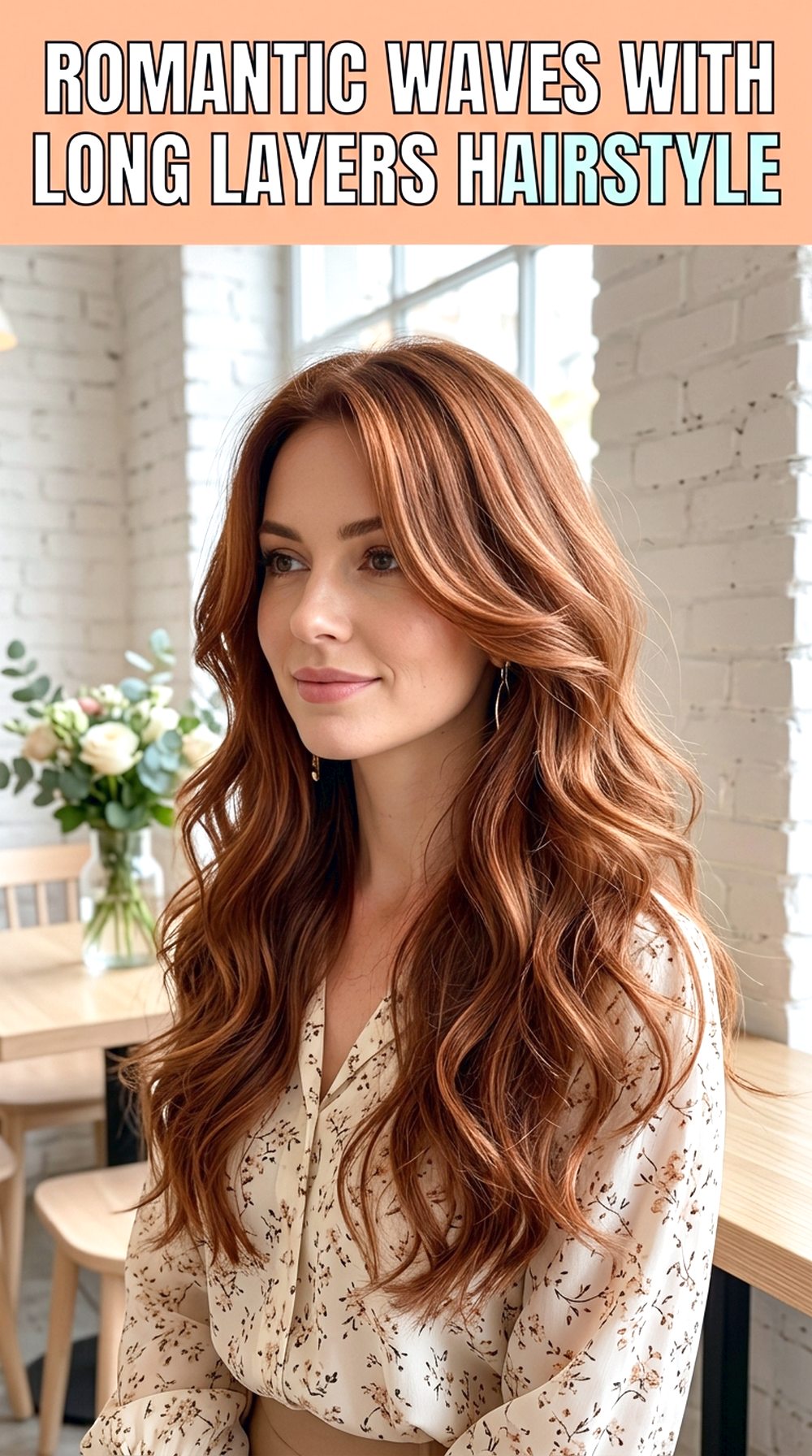
Romantic waves bring out the movement in long flowing layers and make hip-length hair look soft, full, and dimensional. The waves should be broad and relaxed rather than tight, allowing each layer to blend naturally into the next. This hairstyle is perfect for weddings, celebrations, date nights, and holiday events, yet it can also suit relaxed weekend outfits. It works particularly well on medium to thick hair, and subtle highlights can make the layered shape appear even more defined.
Pro tip: Curl large sections in alternating directions, leave the ends slightly straighter, and gently brush through the curls after they have cooled.
Side-Parted Voluminous Layers
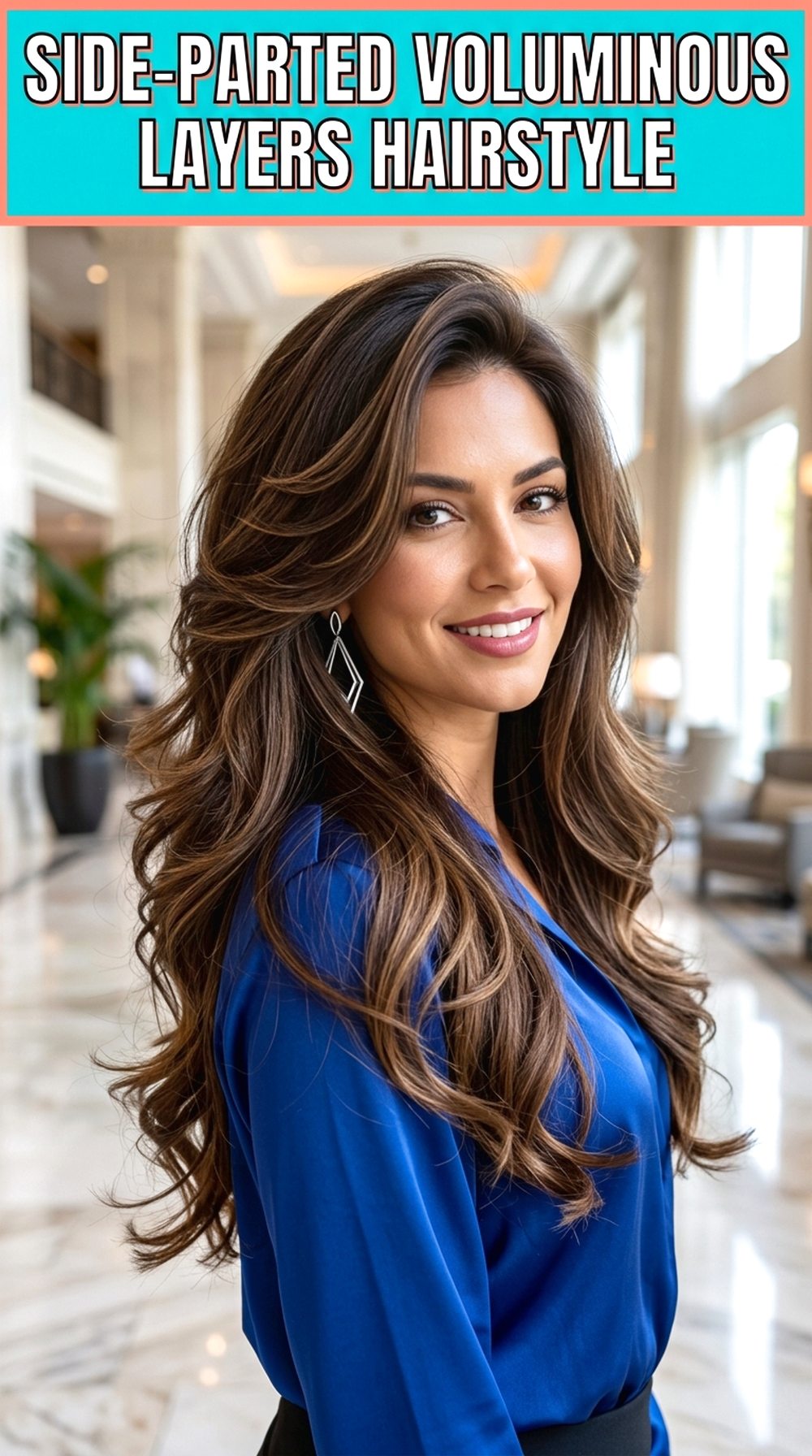
A deep side part adds instant drama and volume to hip-length layered hair. The heavier side sweeps across the forehead, while long face-framing pieces and bouncy ends create a glamorous, lifted shape. This look is especially flattering for long, oval, and square faces because it breaks up symmetry and adds softness. It works beautifully for evening events, professional photos, parties, and formal occasions. Root lift and a smooth blowout make the layers look fuller without feeling stiff or overstyled.
Pro tip: Ask for long layers around the crown and face. Blow-dry the roots in the opposite direction of your final part to create natural lift.
Textured Layers for Thick Hair
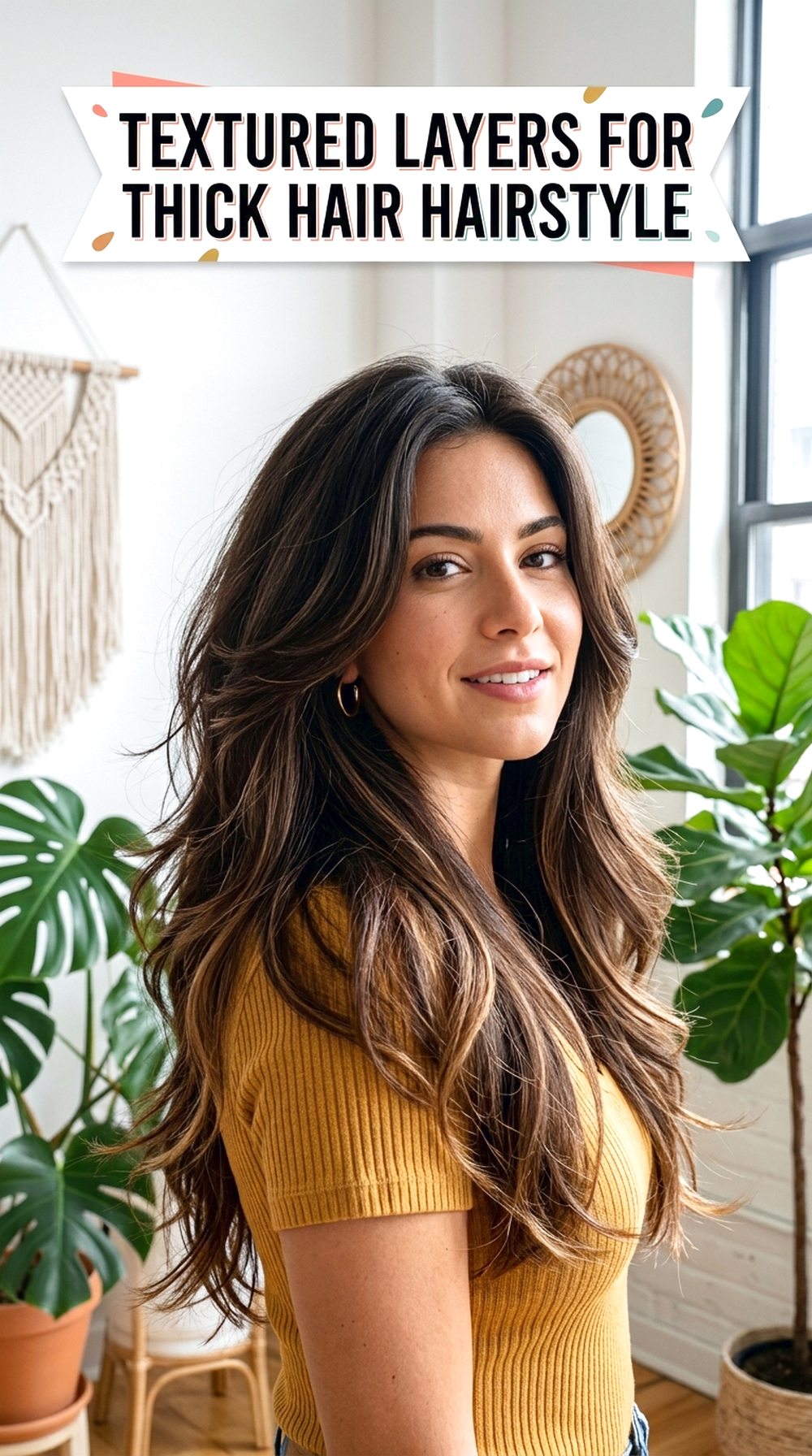
Textured layers help thick hip-length hair feel lighter, softer, and easier to manage. Instead of removing too much length, the stylist adds carefully placed internal and surface layers to reduce bulk and encourage movement. The result looks full but not heavy, with ends that separate naturally. This version is ideal for dense straight, wavy, or curly hair and works well for daily wear, warm weather, travel, and busy routines because the shape remains visible even with minimal styling.
Pro tip: Ask for internal weight removal rather than aggressive thinning. Too much thinning near the ends can create frizz and make long hair look uneven.
Soft Layers for Fine Hair
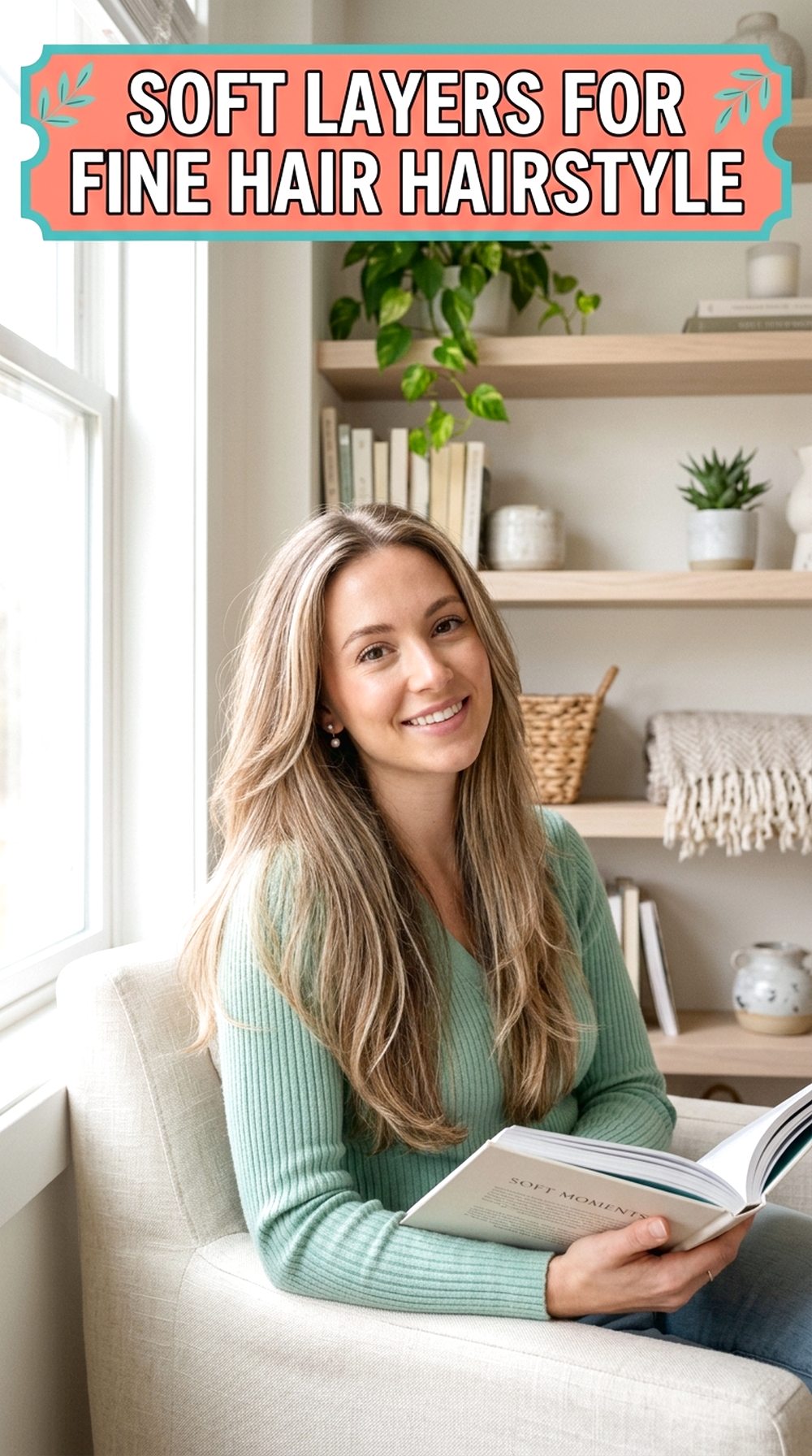
Soft, nearly invisible layers give fine hip-length hair movement while protecting the appearance of density. The shortest layers should remain long, usually beginning below the shoulders, so the ends do not look thin or stringy. Gentle face-framing pieces can add shape around the cheeks without removing too much volume. This style is suitable for work, school, casual days, and simple event looks. It works best with lightweight products, soft root lift, and minimal heat to preserve fullness and shine.
Pro tip: Ask for a strong, blunt perimeter with a few long invisible layers. Avoid heavy razoring, excessive thinning, and very short layers.
Conclusion
Hip-length hairstyles with flowing layers are flexible because they add movement without taking away the beauty of extra-long hair. The same basic style can look soft and natural, sleek and polished, or full and glamorous. You can adjust the length of the layers, the amount of density removed, and the placement of face-framing pieces to suit your features. Bangs, waves, highlights, and different partings offer even more options. The best version will depend on your face shape, hair texture, natural thickness, styling ability, and the amount of daily maintenance that fits your routine.
CTA
Choose one or two favorite ideas and save clear photo references showing the front, sides, and back. Bring them to your stylist and discuss your face shape, natural hair texture, current density, and normal styling routine. This will help your stylist create flowing layers that look beautiful in photos and remain practical for everyday life.
FAQs
Are flowing layers suitable for very long, fine hair?
Yes. Fine hair can have flowing layers, but they should remain long and subtle so the ends continue to look full.
How often should hip-length layered hair be trimmed?
A trim every 10 to 14 weeks can help remove split ends and maintain the shape without losing too much length.
Do flowing layers work on curly hair?
Yes. Curly hair benefits from carefully placed layers that reduce heaviness and improve definition without creating unwanted bulk.
Are hip-length layered hairstyles difficult to maintain?
The length needs gentle care, regular conditioning, and detangling. Subtle layers are low-maintenance, while bangs and highly styled layers require more daily attention.